Tuesday, January 23, 2007

The Road to Karbala


Muharram in Karbala, it's what we all dream of. It's certainly what I have been wishing for every Muharram that has passed. For 20 years I have attended the Majalis in a foreign land, where the Ziyara was said from a distance. At the end of each night, the speaker would say 'Inshallah the next year in Karbala', but I never believed it would happen. Until last year, when politics played its role and as the dua says "Praise be to Allah, who... destroys rulers and appoints others... and breaks the necks of the oppressors". Allah (SWT) does not refuse the well-intentioned dua of His slaves, and by His will, my wish has been answered.

I make the trip to Karbala during a time of many uncertainties, but when the signs of the Day are upon us. The situation in the land of the Imam (AF) has grown pitiful, the human life has become grossly undervalued. The place of 'affliction and woe' has lived up to its name, misery and grief are ever-present. These are the days of the cynics, when people scoff at religion and seek to break its followers. But true faith and hope are the standards of the Shia, they will stand up when the Imam (AF) rises and calls forward his followers.

You will read many traditions about the Ziyara to the shrine of Al-Hussain (S) and come to know how a great thing it is to commit yourself in his service. I go in search of this very thing, to stand at the door of the 'Great Sacrifice' and offer my respects. The tears that flow from my eyes in these days will avail me on the day rivers will be cried by the people. I come to the Imam (S) in humbleness asking him to intercede for me, when "every soul shall know what it has done". It is then, as they drag the sinner to the depths of the Fire, he will say: "not this one, he cried for me on the day of Ashura".

Imam Husain's Role in Reviving Islam


On the third day of the blessed month of Sha'ban, the fourth year after Hijrah and a year after the birth of Imam Hasan (A.S.), the Messenger of Allah (S.A.W.) was given the news of the birth of Imam Husain (A.S.). He hurried to the house of Imam Ali and Fatima al-Zahra '.

"O Asma '. " he ordered Asma ', the daughter of Umays , "bring me my son."
She took the newborn to him. The infant was wrapped in a piece of cloth. The face of the Messenger of Allah (S.A.W.) lit up upon seeing his grandson. He took him in his arms. He recited the call to prayer (azan) into his right ear, and read the shorter version (iqama) in his left ear. He, then, placed the baby in his lap and wept.

" May my father and mother be your sacrifice, " Asma' asked him, " why are you crying?"

"Because of my son," he replied.

"He is a newborn baby," she said.

"O Asma'," he said, " After me, the transgressing party will kill him. May Allah never grant them my intercession."

Then he said: "Asma', do not tell Fatima about this, for she has just given birth to him."

At that moment, the revelation descended on the beloved Messenger, Muhammad (S.A.W.), with the name of the infant. Having received the divine order, the Messenger (S.A.W.) looked at Imam Ali (A.S.) and said:

"Name him Husain."

The Status of Imam Husain (A.S.):

Imam Husain (Abu Abdulla) (A.S.) had a lofty position in the Qur'anic verses which mentioned his high position with the position of Ahlul-Bait (A.S.). next to the verses of the Glorious Qur'an like the verse of Purification, Malediction, Affection and others, we quote statements, from the Messenger of Allah (S.A.W.) as additional evidence expressing the lofty position occupied by Imam Husain (A.S.) in the world of Islam and the Muslim Ummah. Some of them are:

1. In the Sahih of Tirmidi, The Messenger of Allah (S.A.W.) said:
"Husain is from me and I am from Husain, Allah loves whoever loves Husain."

2. Salman Farsi is reported to have said: I heard the Prophet of Allah (S.A.W.) saying: "Hasan and Husain are my two sons. Whoever loves them, then he loves me and whoever loves them then Allah loves him. And whomsoever Allah loves, He will make him enter Paradise. And whoever dislikes them then dislikes me. And whoever Allah dislikes, He will throw him into hell face downward."

3. Ali bin Husain (A.S.) said, on the authority of his father, on the authority of his grandfather (A.S.), "The Messenger of Allah (S.A.W.) took the arms of Hasan and Husain and said, 'Whoever loves me and loves these two and their father, he will certainly be with me on the Day of Judgement."
Aspects of His Character:

Under the supervision of his grandfather (S.A.W.), his father, and his mother, al-Zahra' ( peace be upon them all), the aspects of his characters fused together personifying the Message of Allah, the Blessed and Exalted, in thought, action and conduct. Here, we cite some examples regarding him:

Shu'aid bin Abdul-Rahman is reported to have said: "On the way to Taf (Battle of Karbala'), wherein he was martyred) a mark was seen on the back of Husain bin Ali (A.S.). Imam Zainul-Abideen (A.S.) (his eldest son, and the son who survived the battle) was asked about it. "It is the trace," he replied, "of the bag, which he puts on his back (carrying food) to the house of the widows, orphans and the poor."

Another example, reflecting his humble nature is that of his acceptance of an invitation to having food with the poor. He encountered a number of poor men. Having had their food they hastened to ask him to share with them. He dismounted from his horse saying: "Surely, Allah does not like the haughty." He partook of their food and said: "I have accepted your invitation won't you accept mine?"

"Certainly, we will," said they. He took them to his house and said to al-Rabab, his wife, "Bring us what you have been storing."

2. One day he was asked, "How great is your fear of your lord?"
"No one would be secure on the Day of Judgement except those who feared Allah" he replied."

The night before the tenth of the month of Muharram, Imam Husain (A.S.) asked the Ummayad army to delay the battle till the following morning. He said: "This night we want to offer our prayers to our Lord, and we want to ask His forgiveness. He knows that I love to offer my prayers to Him, recite His Book, and pray much asking for His forgiveness."

Imam Husain Revived Islam:

Whoever follows the life of Imam Husain bin Ali (A.S.) will deeply realize that his role in Islamic life started very early. While still a young man, he contributed, effectively, to the rising movement of Islam. Eminent was his role during the Imamat of father, the Commander of the Faithful, Imam Ali (A.S.) and side by side with his brother Imam Hasan (A.S.).

In the wake of Imam Husain's (A.S.) departure to his Exalted Lord, Imam Husain's (A.S.) role entered a new phase due to the complications which sprung up in the midst of the Ummah, since the role of any Imam from the house of Prophet Muhammad (S.A.W.), is defined by the nature of the social, ideological and political developments of his time.

Indeed, Imam Husain (A.S.) faced the deviated Ummayad plot in the Islam and, also, the difficult conditions which the Ummah lived in. He (A.S.) also lived its danger proportions after the signing of the peace document between Mu'awiya and Imam Hasan (A.S.). The following goals figure in Mu'awiya's notorious plan:

1.Unleashing a wave of terror, and embarking on elimination of all opposition forces, particularly the followers of Imam Ali (A.S.). They were hunted down, and every means of oppression and terror was employed to silence every free voice.
Mu'awiya wrote to his governors:

"Whoever is accused of being loyal to these people severely punish him and tear down his house."

In short and expressive words Imam Muhammad al-Baqir (A.S.) depicts this bloody tragedy. He says:

"Our true followers were killed in every city. Hands and legs were cut off at the slightest suspicion. Whoever was reported to love us or had any contact with us would either be imprisoned or robbed of his property or his house destroyed. Oppression increased in volume and became unduly harsh, till the time of Ubaidulla bin Ziyad, the murderer of Husain (A.S.)."

Ibn Atheer, a historian, recorded the bloody account of events that took place during the time of Mu'awiya. He said:

"After Ziyad appointed Sumre, temporarily, as a governor of Basra, the latter killed great numbers of people. Ibn Sirin said: 'During the absence of Ziyad, Sumra put to the sword eight thousand men'. 'Don't you fear you have killed an innocent person?', Ziyad asked Sumra. 'Had I killed a double number I would never have feared',replied Sumra.

Sawari Adwi said: 'Sumra had killed, during a single day, forty-seven of my companions. All of them had memorized the Qur'an."

2. Dispersing money for the sake of buying-out men, and weakening their Islamic character, and helping the deviant policy of Mu'awiya to fulfill its devilish objectives. In reality, two kinds of men were exposed:

A. A number of preachers and traditionists whose role was outrageous in working in favor of Mu'awiya. They forged traditions and falsely attributed them to the Prophet of Allah (S.A.W.) in order to deprecate Imam Ali (A.S.) and all members of his family.

B. Leading social men who might act against the Ummayad rule. It was a policy practiced by Mu'awiya and the other rulers of the Ummayad dynasty.
War of starvation. It was the most effective weapon used by the Ummayads. The Muslim Ummah felt humiliated and unable to change the rulers. His (Mu'awiya) recorded directive, which he sent to his governors in this respect said: "See to it that whoever is proven, by irrefutable evidence, to love Ali and his household, his name should be erased from the public register, and his pay and food allotment should be dropped."

The economic structure during that period was thoroughly recorded by the historians. They wrote about the disturbed scales of economic distribution. Individuals were the possessors of great wealth. Certain ones took advantage of the Ummayad influence from the outset, during the latter years of the rightly guided caliphs, at which time they literally piled up money. For example:

"Amru bin Aas the governor of Egypt under Mu'awiya, left a wealth amounting to 325,000 Dinars (gold), 1000 dirhams (silver), crops worth 200,000 dinar in Egypt and the well-known estate in Egypt, which was worth 10,000 (gold) Dinars."

4.Breaking the bonds holding the Muslim Ummah as one entity by stirring up the nationalist, tribal and regional spirit among the different groups and reviving the spirit of sectarianism of the Arabs against the non-Arab Muslims.

5. Assassination of Imam Hasan bin Ali (A.S.) as he was the legitimate symbol of original Islam.

6. Crowning Yazid, a corrupt wine-drinker and gambler, as the new ruler after Mu'awiya.

The mandate given to Yazid to lead the Muslim Ummah, plan its future, and define its course of action meant in reality, the liquidation of the Islamic existence. It was an actual regression from it shrouded in another attire.

Yazid, as history testifies, was overwhelmed by deviation in his thought, practices and feelings. It is on wonder that our history brims over with stories about Yazid's daily practices which were immersed in deviation, under the noses of the majority of the Muslims in Syria. He plunged himself into debauchery, vain entertainment, alcohol-drinking, womanizing and singing. He was so careless and morally corrupt that he used to put gold bangles on his dogs.

The historian, Baladuri said:

"Yazid had a monkey named Abi Qais... that he would bring along with him to where he and his associates would drink wine. He would place a pillow for his monkey which was very vile. He would carry it on a wild she-ass, which had been tamed, with a saddle and reign. Abi Qais would take part in competitions against horses on a fixed day."

Another historian, Ibn Atheer, said:
"It is narrated that Yazid was well-known for playing stringed instruments, drinking wine, singing, hunting, occupying himself with lads, female singers and dogs. He used to make rams, bears and monkeys to fight each other. No day passed unless he was drunkard. He also used to strap a monkey to a horse having a saddle and make it ride it and make the monkey wear caps of gold and, likewise, the lads he associated with. When a monkey died, he expressed his sorrow for it. It was said that the reason for his death was that once he carried a young monkey and made it dance and it bit him."

If the caliph behaves like this, what about the others. In this respect, an historian, Mas'oodi said:

"Yazid's governors and officials were influenced by his corruption. During his rule singing spread throughout Madinah. Musical instruments were used. People began to drink wine in public."

Since Mu'awiya decided to appoint his son, Yazid as the caliph of the Muslims after him and which is opposite to the principles of Islam and its regulations, this decision stimulated the Islamic public opinion, particularly the well-known Islamic personalities in the society. And, so, the Ummah stood at the threshold of a new stage in its history. Ahead of it there were two choices:

1. Either to develop a strong rejection of the type of life being imposed on it, whatever the price.

2 .Or to accept the de facto life, wherein it had to give up its message, the source of its greatness and symbol of its pride among other nations.

The Uprising: Why?
If we study the life of Imam Husain (A.S.), the events he witnessed, and the circumstances which beset him, we will easily detect the fact that he had no chance whatsoever of scoring, materialistically speaking, a victory over the oppressive authorities of the Ummayads.

Though he was quite sure that he would be killed, he was insisting on starting his uprising and standing his ground till the tragically inevitable end.
Why did he insist so? Rather, why was the uprising?

Without Imam Husain's revolution, the way represented by the Ummayad being in all its deviations, oppression and corruption, was the one which represented Islam in the minds of mankind till the present time.

Imam Husain (A.S.), the second son of Imam Ali (A.S.), and the grandson of the holy Prophet Muhammad (S.A.W.), was a pure page of the book of Islam, and a vivid translation of its goals and concepts. That is why he first one who responded to the call of faith in his time. In order to honor his commitments to the Shar'ia, he had no other way before him other that of uprising. Without it there would be no reforms. The first communiqué of his uprising incarnated this fact with all its positive implication:

"And I am not taking up arms in order to make merry, or be ecstatic over what I possess. I am not making mischief, nor exercising oppression. But, I am ready to fight for the sole goal of seeking reform of the Ummah of my grandfather, the Prophet of Allah (S.A.W.). I want to enjoin good and forbid evil and guide the affairs of the people as my grandfather, and my father, Ali bin Abi Talib(A.S.) were doing."

These are the basic justifications which gave Imam Husain (A.S.) and his followers the right to start their uprising. An uprising which still echoes in the minds of the people today. It is the revolution that immortalized Islam and inspired the revolutionaries throughout the ages, to defend Islam and fight heroically in the battle of sacred jihad against the unjust and oppressors.

Wind of the Uprising:
Shortly after the death of Mu'awiya, his son, Yazid, took over. He ordered his governors to take the pledge of allegiance to him from the pepole. He focused on Imam Husain (A.S.), in particular, due to the Ummayad conviction that he was the unshakable resisting force among the opposition. Once they subjugated him, all dams before them would collapse.The opposition, minus Imam Husain (A.S.), would be easily subdued.

Instantly, Yazid wrote to the governor of the city of Madinah, Walid bin Utba, to take the pledge of allegiance from the people of Madinah, in general, and from Imam Husain (A.S.), in particular. Indeed, Imam Husain (A.S.) explained his refusal of giving the pledge of allegiance to Yazid. He said to Yazid's governor in Madinah, Walid:

"Yazid is a corrupt man, who imbibes wine, puts to death the soul which Allah forbids to be harmed and declares his debauchery in public. A man like me would never give pledge of allegiance to him."

In return, Imam Husain (A.S.) explained the qualifications of the leader to whom the pledge of allegiance should be given, in his letter addressed to the inhabitant of Kufa:

"By my life, what is the Imam except one who judged by the Book of Allah, one who upholds justice, one who professes the religion of truth, and one who dedicates himself to the essence of Allah."

That was the starting point of the rejection of the policy of treachery and oppression. Imam Husain (A.S.) made up his mind to shoulder his responsibility to challenge the oppressors, as he was the legitimate Imam of the Ummah and the righteous with the faith.

He went to the tomb of the Messenger of Allah (S.A.W.), his grandfather and offered prayer beside it. Then, he raised his hands in prayer:

"O Allah! This is the grave of Your Prophet Muhammad (S.A.W.), and I am the son of the daughter of Your Prophet. You know what I am going through. O Allah! I love good and detest evil. I beseech you, O! The Lord of glory and honor, and adjure You by this grave and its contents, to choose for me whatever pleases You and Your Prophet."
Imam Husain (A.S.) hastened to gather the members of his family and the loyal among his companions. He told them about his decision to move to Makkah, the sanctuary of Allah.

The objectors increased in number. They beseeched him to yield. They were helpless and thought he would be killed in vain.

Imam Husain (A.S.) was too determined to back down.

The caravan of Imam Husain (A.S.) marched towards Makkah. The name of Allah was on his tongue, and his heart was filled with love of Allah. Upon entering Makkah, he recited the glorious verse:

"And when he turned his face towards Madyna, he said: Maybe my Lord will guide me in the right path."

He stayed at the house of Abbas bin Abdul-Muttalib. Throngs of the faithful gathered to welcome him.

The news of the Imam's (A.S.) departure form Madinah and his refusal of giving the pledge of allegiance to Yazid spread. Thus, different delegations and letters of support for him began to reach him from diverse lands. As a result, he (A.S.) began to send books and letters of answer in which he called them to revolt and overthrow the power of Yazid and deposit his allegiance which was brought through force, terror, bribery and tricks. A result of this movement was that the spirit of revolution began to spread in lraq.

Imam Husain (A.S.) monitored the reactions of the Muslims throughout the Islamic provinces towards the ascension of Yazid to the office of caliphate. Kufa, the capital of lraq, was witnessing a revolutionary movement and a remarkable political shake-up. After long periods of terror and suppression the opposition forces stirred seeing it the golden chance to free themselves from the yoke of the tyrants. At the head of these revolutionaries were the followers of the Ahlul-Bait (A.S.). They held an emergency meeting to discuss the mounting tension in Kufa and the responsibility they should take vis-à-vis the change in the government, after Yazid bin Mu'awiya had taken the affairs of the Ummah into his own hands.

After reaching a consensus on this point, the leading men of Kufa wrote a letter in which they declared their total and final rejection of the Ummayad rule and they knew no substitute for Imam Husain (A.S.). Then letters poured in from Kufa carrying the urgent call of the Kufans for Imam Husain (A.S.) to join them, to take office as the caliphate and Imam of the Muslims. The wave of support for Imam Husain (A.S.) was so massive that a list of the tribes waiting for his arrival, totaling 100,000 fighters, was prepared.

With him, Imam Husain (A.S.) dispatched a special letter to the people there, and particularly their chiefs. He explained the qualifications of his envoy, and the nature of his mission. He was to closely examine the situation and describe precisely what was going on there.

Kufa welcomed Muslim bin Aqil as any loyal and dutiful following would. The pledge of allegiance was taken from Imam Husain (A.S.). Muslim, by now, was convinced that the change was on behalf of Ahlul-Bait (A.S.) and the message of Allah, the Exalted. It was by no means something common and could not be ignored. It was a truth, tangible and subjective. They should quickly deal with the situation before something happens and spoils the opportunity.

And so Muslim, may Allah be please with him, saw it fit to dispatch an account to Imam Husain (A.S.) about the direction of the de facto situation. In his account he called him to come to Kufa. He wrote:

"Certainly, the man sent by a caravan in a desert to explore the way ahead of it will never lie to those who had sent him. All the people of Kufa are with you. Eighteen thousand of them have given their pledge of allegiance to me. So make haste and come to us as soon as you read this letter of mine. And peace and the blessings of Allah be on you."

In the meantime, Imam Hussen (A.S.) thought it would be wise to contact the chiefs of Basra and discuss with them his decision to oppose deviation and injustice. He wrote to them. Yazid bin Mas'ood sent a letter in which people spoke much about the loyalty of the tribes of Tamim and Bani Sa'd to Ahlul-Bait (A.S.). Quite painfully and regrettably, his letter arrived too late.

Thus, Nahshali's troops were late to arrive. The man was so shocked at the news of the martyrdom of Imam Husain (A.S.) that he died. He had missed the opportunity to help the grandson of Prophet Muhammad (S.A.W.).
Kufans's Regression:

At first, the authorities of the Ummayad party were panic stricken at the great success achieved by the faith and its real representative, Imam Husain bin Ali (A.S.). The top leaders of the Ummayad party held a meeting, and discussed what would their next step be. They decided to provide Yazid bin Mu'awiya with the latest news, and the actual situation in the city of Makkah. They wrote a letter to their master in Syria telling him of all successive developments in Kufa.

Yazid was flustered at the news. His special advisor suggested that Ubaidulla bin Ziyad should be the governor of Kufa. Ibn Ziyad was murderous, the emptiness of his hears of such human emotions as mercy or compassion and his black hatred for the household of the Messenger of Allah (S.A.W.) made him a prime candidate for the job.
Ibn Ziyad received the decree issued by Yazid appointing him the new governor of Kufa. Installing his brother in his place in Basra, he hurriedly headed for Kufa leading a 500-strong division from the Ummayad army.

Accompanying him were also certain eminent chiefs of Basra who had influence over the Kufans due to their blood relations.

In Kufa, Ibn Ziyad gathered the people, and addressed them. He promised those who sided with the Ummayad's handsome rewards. He threatened the opponents of the Ummayad dynasty with harsh punishments, i.e. death. Under coercion, he ordered the tribal chiefs to present lists of the names of those who overstepped the Ummayad redline. Otherwise, they would be crucified at the door of their houses.

Thus, an atmosphere of heavy gloom set in on the city. The scales of power tipped in favor of the Ummayad house, represented by Yazid. The Shi'ite leaders and the loyalists to the movement of Islam represented by Imam Husain (A.S.) were rounded up.
Fear spread its wings, and despair descended on the hearts of the people. Events took so vicious a turn that the tribes began to prevent their chiefs from opposing the Ummayads in any form. Mothers locked up their children lest they help Muslim bin Aqeel. Those who were after wealth hastened to the governor's mansion, happy with the abundant money Ibn Ziyad lavished on them. Practically, the society of Kufa was torn into shreds.

The loyalists to the call of Islam, who were still free, adopted secrecy in their contacts with Muslim. He ordered them so, under the pressure of the new conditions.
The spies of the Ummayad's local terrorist lost no time in spreading throughout the city and Ibn Ziyad had made use of every possible means of trickery to get out of the crises. He floated rumors, by his spies and followers, that a tremendous Ummayad army was at the threshhold of Kufa. Rumors were soon on every lip. Gossip increased and terror ruled. Women prevented their sons from joining Muslim, and those who already were with him were forced to quit. Men discouraged their sons and brothers from taking part in the military actions.

The situation further deteriorated. Many people left Muslim's army, and panic prevailed. Inducement and discouragement of the opponents succeeded. Muslim, eventually, was left with a few loyalists who engaged the Ummayads in street fighting. They made the neighborhood of 'Kinda' their base. Muslim fought in a rarely seen reckless and courageous way.

After all had deserted him or been killed he fought the Ummayad police alone. Finally he was overcome and promised safety. When he was brought before Ziyad he refused to honor the promise of safety given by the police and ordered Muslim to be executed. After dictating his last will, Muslim was taken to the torrents of the palace and thrown down. Later he was beheaded. His head, along with the head of Hani were sent to Yazid in Syria.

Thus, the two pillars of the Islamic movement in Kufa were torn down. The movement of Muslim and Hani, two of its greatest field leaders in Iraq. Kufa was humiliated with defeat and the darkness of terror descended on it. The tyrants seized control of lives of the people.

En Route to Iraq:
The Ummayad were extremely worried at the news of the success of Husain (A.S.) in Makkah. He had won over nearly the whole city. Fearing the spread of the opposition movement, Yazid dispatched an army from Syria. He appointed Umar bin Sa'id as its commander-in-chief.

Imam Hussen (A.S.) received word that the Ummayad army was on its way to Makkah. Given the Ummayads disrespect of the Sacred House of Allah, he had decided to leave the city. It was impossible for him to allow the sacredness of the city to be violated because of him. In advance, he knew of his inevitable fate in Iraq. He expressed it in the speech he delivered in Makkah before he left. He said:

"Praise be to Allah. What Allah desires is certainly done. There is no power but in Allah. Blessings of Allah be on His Messenger. Death had been decreed on man, as the necklace encircles a girl's neck. How great is my desire to see my predecessors. It is as strong as Ya'qoob's (Jacob) desire to see (his son) Yusuf (Joseph).
"It is better for me to face my death. It is as if I am seeing now my members being torn to pieces by by the wolves of the desert, in a place between Nawawees and Karbala'. They will fill their empty stomachs and their hungry bellies. There is no escape from a day decreed by the divine pen."

On the eighth day of the month of Dhul-Hijja (the day the pilgrims get ready to perform hajj), in the year of 60 A.H., Imam Husain (A.S.) caravan set out.
En route to Iraq he would ask the travelers he met about Iraq and the current situation there. The only reply was: "The people were with the Ummayad, but their hearts were with him!"

He was sure that the faith would be revived after his death and there was no defender of the faith next to him. It is because of these considerations that he went on to achieve the real, historical victory. Only with shedding his blood and sacrificing his soul and those who were with him from the descendants of the Messenger of Allah (S.A.W.), Islam would be immortalized.

In Karbala':
It was Thursday, the 2nd of Moharram 61 A.H. Imam Husain (A.S.) and his companions and his righteous family dismounted and camped at the deserts of Karbala' in order to be a symbol for free men, and a slogan for the revolutionaries throughout the ages and generations.

On the other hand, the Ummayad authorities, at the helm of which stood Ubaidulla Ziyad in Kufa, started sending reinforcements and mobilizing more forces for Karbala'. Ibn Ziyad replaced Umar bin Sa'd as the new commander of the army.

Umar later yield to Ubaidulla's desire when the latter threatened to deprive him of the ruler ship of Ray. Umar had been struggling with two question: Submission to the life of this world or refusing worldly temptations and refraining from warring with Imam Husain (A.S.). Finally, the first question triumphed and he decided to take part in the battle against him.

He expressed that struggle in two lines of verse:
"Could I decline the governor ship of Ray, while it is my dread, or should I return blamed for killing Husain? Should I kill him, then I wind up in the fire, which has no veil, while the governor ship of Ray is the refreshment of my eye."
Umar is not but a model for those men who fought Imam Husain (A.S.), and what they bear of villainous intentions and mean goals.

Thus, he decided to carry out that task and advanced to Nainawa (Karbala') at the head of an army of about 4,000 soldiers. Upon his arrival, Umar bin Sa'd surrounded Imam Husain's camp. Imam Husain (A.S.) began negotiations with him, and they had several meetings. As a result, he wrote to Ubaidulla bin Ziyad suggesting lifting the siege on Husain's camp and allowing him to return from where he had come, thus, halting the impending shedding of blood. Ubaidulla received the letter. Even he at first appreciated the idea and wanted to put it into effect. But then, Shimr bin Dil-Jawshan-one of the blood enemies of Ahlul-Bait (A.S.) - warned him of the consequences. Ubaidullah accepted the suggestion of Shimr and handed him a threatening letter to be delivered to Umar bin Sa'd. The letter read in part:
"Therefore, see to it that if Husain and his followers submit to my authority and surrender, you send them to me in peace. If they refuse, then march against them to fight them and to punish them; for they deserve that. If Husain is killed, make the horses trample on his body; both front and back."

Thus, the logic of lbn Ziayd insists on shedding blood and mutilating the martyrs as his forefathers did during the pre-ignorance of Quraish who mutilated Hamza, the Prophet's uncle, before.

There was no alternative except war. Husain (A.S.) could under no circumstance surrender to Ibn Ziyad:

"One like me can never give a pledge of allegiance to Yazid".

He continued: "I do not wish a death for myself other than martyrdom, while life among the unjust would be unbearable".

He (A.S.) recited the words he took from the Messenger of Allah (S.A.W.), which he conveyed to the Ummayad army a few days earlier. He told them:

"O people, the Messenger of Allah (S.A.W.) had said:

"Whoever witnesses an unjust ruler considering the prohibitions of Allah, the Almighty, as permissible, breaking the covenant of Allah, opposing the practices of the Messenger of Allah (S.A.W.), treating his servants sinfully and cruelly and had seen all these misdeeds but did not oppose him by words or actions, Allah surely will punish him as He wills."

Imam Husain (A.S.) saw that he could not negotiate with this herd of weak-willed men who dedicated themselves to win booty and wealth. He asked his brother, Abbas, once again, to talk to the army and demand a delay of only one night. Umar bin Sa'd and his officers agreed to grant Imam Husain (A.S.) the delay he asked. On the morrow, history would turn a new page in the life of Islam. Men would fight one anther in a great and glorious battle in Karbala'.

The Night of Ashura':
It was not to rethink his decision concerning the military choice that Husain asked Ibn Sa'd to grant him the extra time. The path was crystal clear in his mind, but Husain (A.S.) eagerly wanted to stay up that night in worship. He desired that it be the last night during which he would talk to his family, companions and loved ones. He knew what lay ahead. Thus he said to his brother Abbas, the second time he sent to Ibn Sa'd:

"Go back to them. If you can delay them until morning and persuade them to keep away from us during the evening, then perhaps we may be able to pray to our Lord during the night, to supplicate to Him loved prayer, the recitation of His Book, invocating Him at length and seeking his forgiveness."

Darkness fell. The household of the Prophet (S.A.W.) and their supporters did not close their eyes. Some of them were praying, invocating Allah for his mercy, and reciting the Qur'an. Others were preparing wills and saying last words to their families. Voices were like the buzz of the bees. They were preparing themselves to meet their Lord. Swords and spears were being readied. That night they were guests on the land of Karbala'. History awaited the event that would take place on the morning. The swords and spears were pens that would inscribe the most glorious chapter on the continuing drama being written by man.

During that night, Husain (A.S.) bid farewell to his family and loved ones. He paid visits to al-Sajjad, Sukaina, Layla, Rabab and al-Baqir al-Saghir (A.S.) his nephew. He made his last will, as he decided to water the orchared of Islam with his own blood.

The Day of Ashura':
Imam Husain (A.S.) together with his pious companions, passed the night before the tenth of Moharram in prayers, supplications and getting ready for the following day.
That night came to an end. It was as if a long history had elapsed. The tenth of Moharram, the day of blood, jihad, and martyrdom, the day of the decisive battle, was already born.

Umar bin Sa'd was arranging his troops in line, and mobilizing his soldiers to fight the fifth member of the purified family of Prophet Muhammad (S.A.W.), whose love was decreed by Allah on the Ummah through the explicit words of the Holy Qur'an.
Imam Husain (A.S.) went out of his tent completely ready to engage the enemy. The battle was inescapable. So, he started fortifying his camp where the children and women were waiting for what would happen next. He ordered the digging of a trench at the rear of the camp. This was to prevent the army from attacking the camp from that point. He set the trench ablaze. Secure as the back of the camp was, the battle would be fought in the front only.

Once again, Imam Husain (A.S.) delivered a speech. He reminded the Kufans of their letters and envoys, combined with their pledge of allegiance, but to no vail. His call fell on deaf ears.

He mounted his horse, and galloped to a place before the hostile army, in his hand he grasped the Qur'an. He opened it, raising it above his hand, and said:
"O people! Let us have the Book of Allah and the Sunna of my grandfather, the Prophet of Allah (S.A.W.), to arbitrate between us."

No one seemed to be influenced by the words of Imam Husain (A.S.).
Rather, Umar bin Sa'd ordered the standard-bearer of his army to advance and gave the go-ahead for the war to start. He, himself, fired the first arrow toward the camp of Imam Husain (A.S.), shouting, "All of you be witness that I am the first to shoot."

Imam Husain (A.S.) stared unperturbed and strong hearted at the great army which was equipped to the teeth. Like a towering mountain, determined and unshakable, Imam Husain (A.S.) did not show the smallest sign of weakness. Never did he think of reconsidering his decision. There was no one but Allah to look to. He raised his hands in prayer:

"O Allah! It is You in Whom I trust amid all grief. You are my hope amid all violence. You are my refuge and provision in everything that happens to me. How many grievances that weaken the heart, leaving me with not means to handle them, during which friends desert me, and the enemy rejoices in it. I lay it before You and complain of it to You, because of my desire in You, You alone. You relieve me of it and remove to from me. You are the Master of all graces, and the possessor of all goodness, and the Ultimate Resort of all desires."

That was the outset of a catastrophe and tragedy which victimized the scion of prophethood and the leader of the Muslims, the grandson of the noble Messenger of Allah (S.A.W.), Husain bin Ali bin Abi-Talib.

The men lunged at one another, first in single battles, then in a full war. It was only natural that strength would help the army of Yazid bin Mu'awiya massacre this small group of warriors whose number were not more than 72.

The whole tragedy of the Ahlul-Bait (A.S.), and their painful suffering at the hands of their enemies was crystal incarnated in the battle of Karbala'.

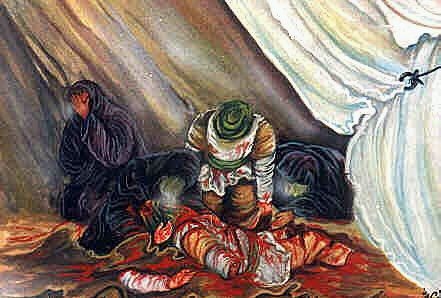
The battle continued at Karbala'. The cascade of exalted blood was flowing, making its way to immortality. The companions of Imam Husain (A.S.) were falling to the ground, one after the other. Those matchless heroes from the household of Aqeel and of Ali bin Abi-Talib (A.S.) were now decapitated bodies scattered on the plains of war like the stars on an autumn sky, or lotus petals on the surface of a pond.

Now the attack intensified. They were most almost encircled by the Ummayad army. Some of the soldiers went into the tents looting property. Ibn sa'd ordered, "Set the tents ablaze". The children cried and the woman also wept, as they saw the tents burning.

Imam Husain (A.S.) stood there amid them, sure of joining them shortly, but deeply stirred by the cries of the children and lamentations of the women. He looked for a helper. He called out:

"Is there and defender of the womenfolk of the Apostle of Allah? Is there a monotheist who fears Allah and so helps us? Is there any supporter seeking Allah's reward and so aids us?"

There was no answer except the wailing of women and children. Imam Husain (A.S.) had no option except fighting the enemy. His heart was flooded with fatherly compassion and love and being afraid for his family, sanctity, the sanctity, the sanctity of the Ansar and the orphans of the martyrs.

Certain that he (A.S.) would never return alive from the battlefield, he went to the tent of his sister Zainab, asking her to bring him his baby so as to kiss his lips and see him for the last time.

Imam Husain (A.S.) repeated the phrase:
"O Allah! I complain to You about what is being done to the son of the daughter of your Prophet".

He (A.S.) looked around and there was no one to help him. His companions were strewn lifeless around him, they had done their duty raising the famous watchword.
Imam Husain (A.S.) was all alone. He was carrying the sword of the Messenger of Allah (S.A.W.) in his hand and the heart of Ali (A.S.) in his depths. On his tongue there was word of piety. This was the very day the Messenger of Allah (S.A.W.) promised him and this was the place he told him would be his last abode. He called the enemy to fight him in single combat. One after the other they came forward and were dispatched to the other world.

Imam Husain (A.S.) was still very worried about his camp, which continued to burn.
When the forces of Ibn Sa'd cut him off from the camp, he called to the Ummayads:
"I am fighting you. Women have no blame. I will prevent your villains from harassing my womenfolk as long as I am alive".

The ears and hearts of those ill-mannered ones were deaf to the speech of the son of the daughter of the Messenger of Allah (S.A.W.), Shimr bin Dil Jawshan with ten of his men moved towards the tent of Imam Husain (A.S.) in which his family were, then, Imam Husain cried out at them:

"Woe unto you. If you do not have faith nor fear the Day of Judgement, be free in (your world), and noble, and forbid my possessions and family from your tyrants and your ignorant ones."

The attack continued violently, while Imam Husain (A.S.) debated with them, until an arrow directed at Imam Husain (A.S.) lodged in his throat. Spears and swords were eating into his body. He was weak from profuse bleeding while his body became a metaphor for a book, on which every sword blow and arrow had written the most majestic lines of an epic tale.

They were sixty-seven wounds' silently reciting the story of struggle and jihad and indelibly inscribing the tragic chapters of oppression and injustice.

The enemies were not yet satisfied. Shimr approached Imam Husain (A.S.) carrying his sword and struck him several time, Then he cut his head off. He carried the head proudly, to be placed in front of Ibn Ziyad as a bounty waiting its rewards.
The head that never said 'yes' to the oppressors, that was repeating:

"By Allah! Will never give you my hand like a man who has been humiliated, nor will flee like a slave".

Ibn Sa'd ordered horsemen to trample over the holy body of Imam Husain (A.S.).
The head of Imam Husain (A.S.), along with the heads of his companions (and even the tiny head of Ali Asghar) were distributed among the criminals, as gifts, carrying them to the Ummayad governor of Kufa.

For three days the pure, holy bodies of the martyrs were left lying on the desert of Karbala' before men from the tribe of Bani Asad who were living not far away from the battlefield buried them. The criminals, not yet satisfied with all this, carried the children and women, in addition to the sick son of Imam Husain (A.S.), Imam Zainul-Abideen (A.S.), as prisoners from Kufa to Syria. At the front of the sad procession were the head of Imam Husain (A.S.) and his followers.
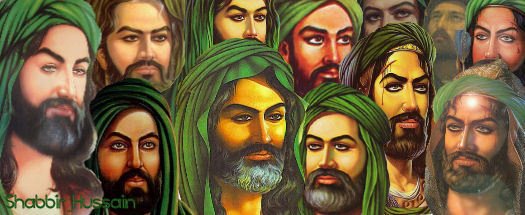
Sunday, November 12, 2006

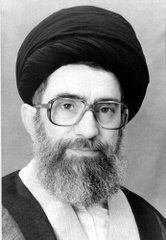
Ayatullah Muhammad Ali Taskhiri

Wawancara ‘Blak-blakan’ Tentang Isu-isu Persatuan Islam dengan Ayatullah Muhammad Ali Taskhiri

Di sela-sela kesibukan Ayatullah Muhammad Ali Taskhiri (T) sebagai ulama representatif Muslim Syi’ah sedunia dalam ICIS (International Conference of Islamic Scholars II) di Hotel Borobudur, kami, tim majalah SYI’AR (S) mendapatkan kesempatan berharga dan kehormatan bersejarah untuk melakukan wawancara ‘blak-blakan’ dengan anggota Dewan Ahli Republik Islam Iran ini. Berikut transkrip wawancara:

S : Apa perbedaan antara wahdah, ittihad, ukhuwwah dan tauhid al-kalimah?

T : Saya tidak menemukan perbedaan antara istilah-istilah tersebut, wahdah adalah ittihad itu sendiri dan ukhuwwah adalah salah satu pondasi dasar teoritis untuk terelasisasinya persatuan Islam. Jadi, persatuan Islam itu berdiri di atas dasar-dasar, antara lain kesamaan akidah/pandangan dunia dan persaudaraan Islam yang berdiri di atas persaudaraan iman. Namun ada perbedaan antara persatuan dan pendekatan (taqrib) karena pendekatan itu adalah (merujuk pada usaha mendekatkan suatu pemikiran) di antara berbagai pemikiran yang berbeda-beda. Pemikiran itu tidak mungkin menjadi satu, disebabkan oleh perbedaan tingkat intelektual dan perbedaan interpretasi. Maka, apa yang kita maksudkan dengan pendekatan antar pemikiran itu adalah menguak area kesamaan dan meluaskannya agar dapat bekerja sama dalam menerapkan area yang sama tersebut. Adapun wahdah (persatuan) adalah (persatuan) di dalam sikap dan praktik. Artinya, diharapkan agar umat ini memiliki sikap yang satu di saat berhadapan dengan tantangan besar yang datang dari luar dan sikap yang satu dalam hal menyelesaikan problem intern dalam menegakkan syariat dan nilai-nilai akhlak. Ringkasnya, dari satu sisi tidak ada beda antara wahdah dan ittihad. Keduanya berdiri di atas persaudaraan iman yang menjadi pondasi teoritis demi terselenggaranya persatuan Islam.

S : Lawan dari istilah-istilah tersebut kita mendapatkan istilah khilaf dan ikhtilaf? Adakah perbedaan antara keduanya?

T : Mungkin saja kata khilaf ditafsirkan sebagai pertentangan praktis dan amali. Adapun ikhtilaf ditafsirkan sebagai pertentangan teoritis dan pemikiran. Namun saya tidak melihat ada perbedaan substansial di dalam pembahasan dua istilah tersebut. Perbedaan dan pertentangan di dalam pemikiran tidak ada salahnya dan tidak ada teks agama yang menolak adanya perbedaan dalam pemikiran. Sebagaimana saya tidak pernah menemukan teks agama yang menuntut adanya kesamaan pemikiran. Akan tetapi yang tercela dan dilarang oleh agama adalah pertentangan dan perbedaan di dalam tataran praktis. Di saat Allah Swt berfirman, Wa’tashimû bihablillâhi jamîy’ân walâ tafarraqu (berpeganglah pada tali Allah dan janganlah berpecah belah] ingin menekankan adanya kesamaan sikap dalam praktik dan amal dengan berpegang teguh pada tali Allah yang kokoh dan tetap yang merupakan jalan menuju Allah yang bebas dari kesalahan (ma’shum) yang tidak ada perselisihan padanya.

S : Apakah persatuan meniscayakan adanya keyakinan akan kebenaran yang majemuk dan plural?

T : Tidak. Kebenaran itu tunggal. Hanya saja sudut pandang dan metode yang ditempuh berbeda-beda. Kami di dalam agama Islam meyakini, bahwa syariat Islam itu satu. Syariat yang ada di sisi Tuhan adalah tunggal. Namun interpretasi untuk memahami syariat tersebut berbeda-beda. Seorang mujtahid yang melakukan interpretasi bisa salah dan bisa benar. Seperti di dalam hadits disebutkan, bahwa mujtahid yang salah akan mendapatkan satu pahala dan yang benar akan mendapatkan dua pahala. Ini tidak meniscayakan adanya kebenaran yang banyak dan majemuk. Kebenaran atau hakikat adalah kesesuaian antara yang ada di dalam benak kita sebagai konsep dengan realitas yang terjadi di luar. Ini adalah definisi kebenaran. Bila sesuai, maka berarti telah benar dan bila tidak sesuai, maka berarti yang ada di benak kita itulah yang salah dan bukan berarti kebenaran itu berubah dan menjadi banyak. Di sinilah letak kesalahan paham Marxis, di mana mereka menganggap, bahwa perbedaan pandangan atau konsep yang ada di benak kita tentang kebenaran atau hakikat dapat mengubah kebenaran dan hakikat itu sendiri. Karena itu, di saat pandangan manusia berubah-ubah, maka kebenaran itu sendiri juga berubah-ubah. Di saat terjadi perkembangan pada cara berpikir manusia, maka terjadi pula perkembangan dalam hakikat dan kebenaran. Sekali lagi keragaman keyakinan dan praktik amali tidaklah meniscayakan keyakinan akan keragaman kebenaran yang banyak, namun hal itu memberikan makna, bahwa kebenaran itu adalah satu. Hanya saja ada beberapa perbedaan pandangan tentang kebenaran tersebut, sebagiannya benar dan sebagian yang lain salah.

Pluralisme juga memiliki makna adanya saling menghormati antar pemeluk keyakinan yang berbeda-beda. Di dalam al-Quran di Surah Saba’ ayat 24 Allah memerintahkan Nabi saw untuk menyeru kepada orang-orang musyrik saat itu, Dan sesungguhnya kami atau kalian (orang-orang musyrik) pasti berada dalam petunjuk atau dalam kesesatan yang nyata. Ini sama sekali tidak dalam rangka menjelaskan, bahwa kebenaran itu berbilang, namun di dalam dialog ada kalanya Anda yang salah dan ada kalanya saya yang salah. Di dalam ayat berikutnya Allah berfirman, Katakanlah, “Kamu tidak akan dimintai pertanggungjawaban atas dosa yang kami lakukan dan kami tidak akan dimintai pertanggungjawaban atas apa yang kamu lakukan. Coba perhatikan! Di dalam ayat ini ada dua hal yang patut kita petik.

Pertama, al-Quran melarang kita—di saat masuk dalam sebuah dialog—untuk mengungkit-ungkit masa lalu dan menuduh dengan perbuatan-perbuatan jelek yang dilakukan dengan mengatakan, ‘Bukankah engkau dulu yang begini dan begini”, sehingga pada akhirnya melupakan pembahasan aslinya dengan mengalihkan pada masalah pribadi.

Kedua, al-Quran mengajarkan kepada kita agar menghormati lawan bicara dengan tidak menganggap apa yang dia lakukan sebagai sebuah kesalahan, sebaliknya kita harus menganggap perbuatan yang kita lakukan sebagai perbuatan jelek (ajramnâ) yakni sesuai dengan pandangan lawan bicara, sedangkan pekerjaan lawan bicara tidak boleh kita anggap sebagai perbuatan jelek, walaupun menurut kita salah. Karena itu, di dalam ayat itu ia menggunakan kata ’amma ta’malûn (apa yang kamu lakukan) padahal lawan bicara Nabi di dalam ayat itu adalah musyrik. Maka, bagaimana jika dia seorang Ahlulkitab bahkan Muslim?

Jadi, persatuan di dalam tataran praktik tidaklah bertentangan dengan keyakinan pluralis, namun haruslah berada di dalam koridor umum. Artinya, haruslah ada aksioma yang general dan diterima oleh semua, seperti keimanan akan satu Tuhan (tauhid) dan keyakinan akan nilai-nilai absolut. Selama berada di dalam koridor tersebut, maka tidak ada larangan untuk terjadi perbedaan pandangan dan pemikiran, bahkan dalam agama sekalipun. Masyarakat Islam bisa hidup bersama pemeluk agama lain dan dapat memberikan hak-hak mereka. Maka, pluralisme adalah suatu hal yang wajar di dalam koridor peradaban, agama, dan mazhab dalam satu agama. Saya tidak melihat hal itu sebagai problem. Malah saya menganggapnya sebagai sebuah keniscayaan dengan masing-masing pemeluknya memiliki jiwa toleransi dengan yang lain serta bekerjasama secara logis.

S : Bagaimana pendapat YM berkenaan dengan isu dan tuduhan yang dilontarkan oleh mereka yang tidak sejalan dengan upaya persatuan, dengan mengatakan, bahwa “persatuan” yang diperjuangkan oleh orang-orang Syi’ah dan Republik Islam Iran memiliki motivasi strategis dan politis bukan dalam rangka memperjuangkannya sebagai bagian dari ajaran Islam?

T : Tuduhan-tuduhan seperti itu sering kali kita dengar dan bukanlah hal yang baru. Sepanjang sejarah kita dapatkan tuduhan-tuduhan murahan seperti itu. Kita harus membedakan antara strategis dan taktik. Strategis adalah upaya yang berkepanjangan dan tetap, sedangkan taktik adalah bersifat sementara dan berubah-ubah. Kita mengakui, bahwa upaya persatuan itu adalah masalah strategis, yakni sebuah garis panjang yang telah digariskan Islam seperti firman Allah dalam Surah Anbiya’ ayat 92: Sesungguhnya (agama tauhid) ini adalah agama kamu semua, agama yang satu dan Aku adalah Tuhanmu, maka sembahlah Aku. Begitu juga di dalam Surah al-Mu’minun ayat 52, Sesungguhnya (agama tauhid) ini adalah agama kamu semua, agama yang satu dan Aku adalah Tuhanmu, maka bertakwalah kepada-Ku. Artinya, di saat Islam menekankan pentingnya persatuan dan mewajibkan persaudaraan dan di sisi lain membuka pintu kebebasan berijtihad yang konsekuensinya adalah adanya perbedaan dan menentukan batasan-batasan di mana siapa yang berada di dalamnya berarti masuk dalam keluarga besar umat Islam, yakni mereka yang meyakini akan keesaan Tuhan, kenabian Nabi Muhammad saw dan hari akhir serta menerima aturan-aturan Islam yang disepakati, seperti shalat, puasa, haji dan jihad. Mereka yang berada di dalam area ini adalah keluarga besar umat Islam, semuanya memiliki kedudukan yang sama (mutakafiun, mutadhaminun) dan memiliki hak dan tanggung jawab yang sama. Ini yang dikatakan oleh Islam dan bukanlah yang dikatakan oleh Iran atau Syi’ah. Iran dan Syi’ah tidak memiliki perkataan lain. Di saat kita mengajak kepada persatuan dan pendekatan antar mazhab, maka kami tidak menginginkan selain dari hal ini. Muawiyah bin Abi Sufyan di dalam salah satu suratnya kepada Amirul Mukminin Ali bin Abi Thalib berkata: “Apa yang Anda sampaikan bukanlah sesuatu yang baru, namun sudah disebutkan oleh al-Quran dan Sunnah Nabi.” Imam Ali menjawab, “Itu adalah kebanggaanku, di mana apa yang aku sampaikan adalah sesuai dengan al-Quran dan sabda Rasulullah. Aku memang tidak memiliki sesuatu yang lain selain dari apa yang telah diturunkan oleh Allah di dalam al-Quran dan apa yang telah disabdakan oleh Nabi saw. Engkau bermaksud untuk mencela diriku namun, itu adalah penghormatan dan pujian bagiku.”

Republik Islam Iran memang tidak memperjuangkan sesuatu yang baru. Segala apa yang diperjuangkan adalah dari dalam al-Quran dan Sunnah. Kelompok Salafi dan kelompok yang mengkafirkan kelompok lain yang sering melakukan tuduhan seperti di atas, mereka sendirilah yang telah keluar dari logika Islam dan al-Quran di saat mereka mengafirkan orang yang tidak kafir dan menuduh orang yang tidak tertuduh. Kami meyakini, bahwa siapa yang mengimani rukun Islam dan iman, maka ia telah masuk di dalam kesatuan umat Islam sekalipun belum pernah mengamalkan ajaran Islam. Di sisi lain, kami mengajak untuk melakukan pendekatan antara mazhab-mazhab Islam dan makna pendekatan itu bukanlah meleburkan semua mazhab menjadi satu atau melakukan campur aduk antar ajaran mazhab yang berbeda-beda. Namun pendekatan mazhab yang ingin kami realisasikan adalah menyingkap area persamaan, memperluasnya, dan bekerja sama dalam melaksanakan yang disepakati tersebut dan saling memahami dan memaafkan atas perbedaan yang dimiliki. Apakah ini sesuatu yang keluar dari garis dan koridor Islam? Islam menyuruh kita untuk mencari titik temu dengan Ahlulkitab, seperti firman-Nya dalam Ali Imran 64: Katakanlah: "Hai Ahli Kitab, marilah (berpegang) kepada suatu kalimat (ketetapan) yang tidak ada perselisihan antara kami dan kamu, bahwa tidak kita sembah kecuali Allah dan tidak kita persekutukan Dia dengan sesuatu pun dan tidak (pula) sebagian kita menjadikan sebagian yang lain sebagai tuhan selain Allah. Jika mereka berpaling maka katakanlah kepada mereka: "Saksikanlah, bahwa kami adalah orang-orang yang berserah diri (kepada Allah)". Saya meyakini, bahwa ayat ini menyuruh kita untuk mencari area persamaan dengan orang musyrik sekalipun, tidak hanya Ahlulkitab. Artinya, jika memang ada titik-titik persamaan dengan orang-orang musyrik, maka wajib kita cari titik-titik persamaan tersebut. Tentunya lebih-lebih lagi kita harus mencari titik-titik temu antara kaum Muslimin sendiri. Inilah yang kami perjuangkan di dalam upaya melakukan pendekatan dan dialog antar mazhab. Adapun upaya merealisasikan persatuan Islam itu agar umat Islam bersatu dalam menghadapi musuh bersama. Apakah Islam tidak menginginkan demikian? Artinya, apakah Islam menyuruh kita untuk bercerai berai dalam rangka menghadapi musuh kalian? Apakah Islam menyuruh kita bercerai-berai dalam menyelesaikan problem internal dan penting umat Islam? Saya benar-benar tidak dapat memahami perkataan dan tuduhan mereka, kecuali salah satu kemungkinan berikut: (1) karena kebodohan mereka dan memang mayoritas mereka demikian; (2) karena fanatisme mereka dan mayoritas mereka memang demikian (3) karena kepentingan politik (4) karena mereka merupakan kaki tangan musuh-musuh Islam.

S : Sebagaimana masyhur di kalangan ulama ushul fikih dan hadis Syi’ah, bahwa salah satu solusi untuk keluar dari kemelut adanya dua hadis yang bertentangan adalah pertentangannya dengan pendapat umum “mukhalafatul ‘ammah” bahkan di dalam kitab al-Kâfî disebutkan, bahwa “Da ‘uw ma yuwafiqul qaum fainnar- rusydu fiy khilafihim” artinya hadis yang sesuai dengan pendapat umum (Ahlusunnah) itu adalah salah dan yang tidak sama dengan mereka itu adalah yang dapat diambil dan diamalkan. apakah ini tidak bertentangan dengan upaya wahdah dan taqrib?

T : Sama sekali tidak. Sebab yang dimaksudkan dengan kata ‘ammah dalam hadis tersebut bukanlah ulama Ahlusunnah. Namun para ulama kerajaanlah yang memproduksi fatwa itu sesuai dengan keinginan raja. Sebagai bukti atas hal itu, hadis tersebut disampaikan oleh Imam Ja`far Shadiq as dan saat itu belum ada mazhab-mazhab Ahlusunnah yang empat. Jadi, maksud dari kaidah dan hadis tersebut adalah di saat kita menemukan ada dua hadis yang bertentangan dan kedua-duanya dari Imam Ahlulbait, yang satu menyuruh dan yang satu lagi melarang. Tentu, hanya satu di antara keduanya yang betul dan tidak mungkin betul kedua-keduanya. Salah satu cara untuk menyelesaikan problem itu dan memastikan mana yang benar di antara dua perintah dan larangan tersebut adalah dengan mengambil yang bertentangan dengan yang difatwakan oleh ulama kerajaan. Sebab yang sesuai dengan fatwa mereka memiliki kemungkinan Imam as menyampaikannya dalam rangka taqiyah itu. (Harus kita ingat) kondisi dan tekanan yang dialami Imam, meniscayakan Imam untuk bertaqiyah dengan menyatakan yang bersesuaian dengan fatwa mereka. Sebaliknya, yang bertentangan dengan fatwa mereka, maka tidak ada kemungkinan hal itu disampaikan oleh Imam dalam rangka taqiyah. Kesimpulannya, kaidah ini sangat jauh dari yang dipahami sebagian orang dan pada akhirnya tidak bertentangan dengan prinsip pendekatan dan persatuan antar mazhab.

S: Dalam ilmu hadis Syi’ah, kita tahu bahwa ada perbedaan penerimaan ulama antara perawi Sunni dengan Syi’ah. Bagaimana komentar YM?

T: Memang betul hal itu terjadi. Namun bukan berarti setiap hadis yang diriwayatkan oleh non-Syi’ah itu harus ditolak. Karena itu kita kenal ada istilah hadis muwatstsaq yaitu hadis yang diriwayatkan oleh para perawi adil non-Syi’ah. Hadis muwatstsaq itu dapat dipergunakan (hujjah) sebagaimana ada istilah lain yang dikenal dengan “maqbulah”. Sungguh sebuah kesalahan besar apa yang dikatakan sebagian orang bahwa Syi’ah hanya menerima hadis-hadis yang diriwayatkan oleh para perawi Syi’ah saja atau Ahlulbait saja. Yang benar setiap hadis yang diriwayatkan oleh para perawi adil, baik Syi’ah atau bukan, dari Ahlulbait atau bukan, yang penting periwayatannya bersambung hingga seorang maksum (Rasul atau Ahlulbaitnya). Sekali lagi saya ingin tegaskan, bahwa jika ada hadis, sabda Nabi yang diriwayatkan oleh para perawi adil non-Syi’ah, maka kami menerimanya. Begitu juga hadis yang disabdakan oleh para Imam Ahlulbait dan diriwayatkan oleh para perawi adil non-Syi’ah.

S: Ada keragaman metode dan cara yang dilakukan oleh beberapa teman ustadz atau mubalig dalam mengenalkan mazhab Ahlulbait kepada masyarakat Indonesia. Ada yang masuk dari pintu sejarah, maka melakukan kajian historis yang meniscayakan adanya pembahasan tentang sahabat dan para khalifah serta kesalahan-kesalahan mereka. Sebagian lain melakukan kajian masalah-masalah yang berhubungan dengan fikih yang diperselisihkan, seperti shalat tarawih, mut’ah dan sebagainya. Sekelompok yang lain menggunakan pendekatan doa dan kadangkala masuk dari kanal politik. Sebagai seorang yang berpengalaman dalam hal ini, manakah di antara metode-metode tersebut yang Anda rekomendasikan kepada kami?

T : Secara pribadi saya tidak setuju adanya upaya untuk mengubah mazhab seseorang dan demografi mazhab. Saya meyakini, hendaknya kita tidak mengambil kesempatan kelengahan orang lain. Namun, pada saat yang sama saya meyakini, bahwa hal itu bukan berarti menutup pintu pembahasan dan dialog. Memang benar telah terjadi perselisihan dan perbedaan pandangan antara Sunnah dan Syi’ah dalam masalah-masalah teologi, historis, dan fikih. Akhir-akhir ini juga dalam masalah politik. Ketika kita berupaya untuk melakukan pendekatan, artinya kita membuka pintu lebar-lebar agar para ulama yang memiliki keahlian di bidangnya masing-masing duduk bersama untuk melakukan pembahasan. Di bidang sejarah misalnya, apakah masalah A itu pernah terjadi atau tidak? Apakah sahabat semuanya adil? Apakah Ahlulbait semuanya maksum, semua itu sebagai pembahasan sejarah haruslah diserahkan kepada ahlinya. Di dalam masalah akidah juga demikian para ulama membahas apakah sifat Allah itu menyatu dengan zat-Nya ataukah tidak? Apakah dalil tentang kemaksuman Nabi—baik rasional atau tekstual—mencakup adanya keterpeliharaannya dari kesalahan, dosa dan lupa ataukah hanya keterpeliharaan dari dosa dan maksiat saja? Begitu pula di bidang fikih, apakah mut’ah itu halal dan kemudian diharamkan (kembali) oleh Rasul atau tidak? Apakah Nabi melakukan shalat tarawih ataukah tidak? Siapa yang memulainya? Khalifah Umar atau lainnya? Apakah sunnah (ajaran yang dicontohkan) oleh para khalifah adalah seperti sunnah Rasul yang harus diikuti? Semua itu harus diserahkan kepada yang memiliki keahlian di bidangnya, karena merekalah yang lebih berkompeten dan memiliki sarana untuk membahas hal itu. Apakah riwayatnya sahih atau tidak? Apakah konteks hadis tersebut bisa dipahami (hujjah) demikian atau tidak? Bagaimana menyelesaikan perselisihan dan pertentangan dua hadis yang berbeda? Jika mereka dapat menghasilkan kesepakatan paham, alhamdulillah. Jika tidak, maka hendaknya masing-masing saling menghormati. Sangat tidak layak secara akademis jika seorang awam, pedagang yang sehari-hari di pasar membahas hal itu dengan sesama pedagangnya atau dengan sopir taksi misalnya. Itu adalah masalah-masalah yang para ulama telah berselisih pendapat sejak 1200 tahun yang lalu. Yang ingin saya tekankan di sini—seperti yang saya sampaikan dalam pertemuan di Universitas az-Zahra dan Konferensi ICIS II—adalah, bahwa Islam sangat menekankan pada kekuatan logika. Karena itu, semua pembahasan itu haruslah di bawah naungan logika tersebut dan jika terdapat yang keluar dari jalur logika maka ia telah keluar dari garis Islam. Saya sebagai seorang ahli fikih, misalnya, jika melakukan berbagai upaya untuk “menipu” dan menarik simpati seorang awam yang tidak banyak tahu tentang masalah fikih kemudian menariknya ikut dan bergabung dengan mazhab yang saya yakini, maka saya telah melanggar kode etik logis. Begitu juga seorang ahli sejarah yang membahas masalah sejarah yang diyakininya di depan seorang awam. Metode logis adalah ketika keduanya duduk sesama ahlinya dan selevel secara akademis kemudian masuk dalam pembahasan dengan hati terbuka dan tujuan yang baik dan saling menghormati seperti yang terkandung dalam ayat di atas. Selain itu hendaknya tidak memperkeruh atmosfer dengan hal-hal lain. Di zaman Nabi beliau dituduh dengan tuduhan gila, tukang sihir, dan tuduhan-tuduhan lain. Tentu dalam kondisi seperti itu Nabi tidak mungkin untuk membantahnya dengan mengatakan, ‘saya tidak gila dengan argumentasi berikut; satu, dua, tiga,…’ Atmosfernya adalah atmosfer tuduhan bukan pembahasan. Karenanya tidak ada jalan lain kecuali menghilangkan kondisi yang demikian dan menggantikannya dengan atmosfer baru yang kondusif untuk pembahasan ilmiah dan logis. Allah memerintahkan Nabi saw untuk menyeru mereka dengan firman-Nya, Qul innamaa a’idhukum bi wahidah an taqumu lillaahi matsnan wa furada tsumma tatafakkaru ma bishahibikum min jinnah, artinya “marilah kita jadikan Allah sebagai saksi kita dan kita duduk sendiri-sendiri atau berdua-berdua, baru kemudian setelah itu kalian mengolah pikiran kalian bahwa sahabat kalian ini tidaklah gila,” namun seorang yang berakal sehat, tulus, jujur. Ini yang pertama. Yang kedua apa yang disampaikan oleh Nabi itu adalah sebuah perkataan yang penuh hikmah dan logis. Bagaimana mungkin yang demikian disampaikan oleh seorang gila? Kesimpulannya haruslah diciptakan atmosfer pembahasan yang kondusif dan kekuatan logikalah yang menjadi lokomotifnya. Bahkan bukan hanya sesama Muslim atau Ahlulkitab, namun dengan seluruh manusia apa pun agama dan mazhabnya. Dan hal itu berlaku juga dalam pembahasan di bidang-bidang lain. Sangat tidak mungkin seorang pakar fisika melakukan diskusi dengan seorang pelajar yang baru duduk di bangku kelas satu SD.

S : Namun di saat pembahasan kadang-kadang seorang mubalig atau ustadz mendapatkan tantangan untuk masuk ke dalam masalah-masalah sejarah yang konsekuensinya harus membongkar file-file tentang sahabat. Apakah kita harus melayaninya atau meninggalkannya?

T: Menurut hemat kami seorang juru dakwah haruslah menghindari masalah-masalah yang menimbulkan sensitivitas di kalangan Muslimin, khususnya dalam masalah-masalah yang tidak berhubungan langsung dengan kehidupan kita saat ini. Perhatikan seberapa besar urgensi membahas siapa yang berhak untuk menjadi pemimpin setelah wafatnya Rasulullah, apakah Abu Bakar atau Ali? Apa manfaat jawaban dan hasil dari pembahasan itu bagi kehidupan kita saat ini? Almarhum Ayatullah Uzhma Sayid Burujurdi pernah berkata, “Daripada kaum Muslimin membahas siapa yang lebih berhak menjadi khalifah setelah Rasulullah dan menimbulkan perselisihan berkepanjangan tanpa akhir, sebaiknya mereka membahas siapa yang lebih berhak untuk menjadi rujukan umat dalam hal keilmuan setelah Rasulullah.” Hal itu hampir menjadi kesepakatan ulama dan umat Islam. Bukankah semua Muslim dari mazhab apa pun dia, selalu menyebut Ali dengan sebutan imam? Para khalifah pun mengakui keluasan dan kedalaman ilmu Imam Ali. Mereka menyelesaikan problem yang dihadapi dengan meminta tolong kepada Imam Ali. Ilmu-ilmu Imam Ali dan Ahlulbait yang lain juga membuktikan hal itu. Begitu pula hadis-hadis Nabi tentang mereka, seperti ‘Aliyyun ma’al haq wal haqqu ma’a ‘Aliy (Ali bersama kebenaran dan kebenaran bersama Ali), Inni tarikun fikumuts tsaqalayn kitabullah wa ‘itratiy ahlu baytiy (Sesungguhnya aku tinggalkan kepada kalian dua perkara yang berat: kitabullah dan itrah-ku, Ahlulbaitku) dan lain-lain. Semua itu menunjukkan bahwa merekalah poros keilmuan. Kita sisihkan saja pembahasan bahwa mereka merupakan poros dan rujukan masalah-masalah politik dan kepemimpinan setelah Rasul. Alasannya, selain hal itu tidak berhubungan langsung dengan kehidupan kita saat ini juga rentan menimbulkan perpecahan di kalangan kaum Muslimin.

Poin penting lain yang perlu dilakukan oleh para juru dakwah dalam memperkenalkan mazhab Ahlulbait adalah dengan menyampaikan hadis, keindahan sabda-sabda penuh hikmah mereka, yang mereka sendiri menyebutnya dengan “mahasina kalamina (ucapan-ucapan indah kami).”

S: Apakah yang Anda sampaikan tadi meniscayakan kita menutup semua pembahasan sejarah, seperti kasus ‘pembakaran rumah’, perampasan tanah Fadak dan sejenisnya?

T: Menurut hemat saya, harus dibedakan antara ceramah umum dan pembahasan ilmiah. Hal itu tidak layak dan bahkan tidak boleh untuk disampaikan pada forum pertama namun bisa saja menjadi pembahasan ilmiah antar ahli sejarah. Kalau kita mau meneliti kehidupan Ahlulbait, kita tidak akan menemukan data yang menunjukkan bahwa mereka mengetengahkan kasus Fadak dalam ceramah dan diskusi mereka, kecuali di saat persitiwa itu terjadi saja semenjak Imam Ali, Imam Hasan hingga Imam Kedua Belas, karena hal itu merupakan kasus historis yang sangat parsial. Kami meyakini masih banyak masalah positif lain yang bisa disampaikan dalam rangka memperkenalkan Ahlulbait. Itu tentu jauh lebih baik dan produktif.

S : Bagaimana pandangan Anda terhadap upacara dan ritual yang dilakukan oleh orang-orang Syiah di Iran dan di tempat lain, khususnya pada hari-hari Asyura yang kadangkala menyebabkan saudara-saudara kita dari Ahlussunnah merasa “risih” dan mengecamnya, seperti memukul kepala dengan pedang dan pisau, memukul-mukul dada dengan rantai hingga berdarah-darah?

T: Sebagian dari yang mereka lakukan, seperti menangis dan bersedih atas duka yang menimpa Ahlulbait adalah hal yang wajar. Banyak teks hadis yang menguatkan agar kita bersedih ketika Ahlulbait bersedih dan bergembira disaat mereka bergembira. Sebagian lain dari praktik-praktik itu merupakan ekspresi spontan (floklori). Setiap bangsa memiliki cara tersendiri untuk mengekspresikan kesedihannya. Misalnya, sebagian bangsa mengenakan baju hitam, sebagian yang lain menutup segala sesuatu dengan kain hitam, membuat makanan khusus dan membagi-bagikannya kepada yang membutuhkan. Semua ekspresi tersebut, selama tidak mengandung unsur-unsur yang bertentangan dengan ajaran Islam, maka tidak dilarangan.

Islam tidak pernah melarang adat istiadat dan budaya suatu bangsa yang tidak bertentangan dengan ajaran Islam, seperti memberikan makanan pada fakir miskin, menampakkan kesedihan, tidak tertawa pada hari-hari Asyura, bahkan sebagian tidak merayakan akad nikah karena menghormati Imam Husain. Semua masalah ini adalah wajar-wajar saja dan saya tidak mendapatkan adanya larangan.

Satu hal lagi, kita tidak boleh ekstrim seperti sebagian salafiah yang mengatakan bahwa segala sesuatu harus ada contohnya di zaman Rasulullah. Menurut kami tidak harus begitu, sebab banyak dari masalah yang masuk dalam area mubah, sekalipun kita beri merek agamis. Seperti yang saya contohkan sebelumnya, misalnya tidak melakukan perayaan akad nikah di hari-hari Asyura atau Muharram demi penghormatan kepada Imam Husain.

Kecuali itu, melakukan hal-hal yang membahayakan bagi diri sendiri atau melakukan upacara-upacara yang dinisbahkan kepada agama, atau melakukan hal-hal aneh dan “risih”, semua itu tidak pernah diajarkan oleh Islam. Saya meyakini hal itu sebagai bid’ah dan penyelewengan yang tidak pernah diajarkan oleh wahyu dan tuntunan Allah SWT. Melukai diri, memukul kepala dengan pedang, berjalan di atas kobaran api dan sejenisnya yang biasa dilakukan oleh orang-orang awam dan jika kita melihat juga ada ulama yang melakukannya, maka itu semua termasuk ujian yang dihadapinya dari penyakit awam. Sebenarnya hal itu tidak hanya terbatas pada apa yang dilakukan oleh umat Syiah saja, namun juga mencakup apa yang dilakukan oleh sebagian ahlussunnah atau kaum sufi.

S : Apakah menjadi keharusan untuk kita memperingati hari-hari besar keagaamaan seperti Asyura atau lainnya dengan mencontoh apa yang dilakukan di suatu negara tertentu dan kita terapkan di Indonesia secara seratus persen?

T : Seharusnya kalian memperhatikan budaya umum masyarakat Indonesia dan penerimaan mereka. Pokok penting yang mesti dipegang teguh adalah menjelaskan kesedihan kepada masyarakat kita bahwa kita memasuki hari-hari sedih Ahlulbait, tidak lebih dari itu.

S : Sebagian hadis dari jalur Ahlulbait kita dapatkan memiliki nuansa kultus yang berlebihan atau yang sering disebut dengan “ghuluw” begitu juga hal-hal yang aneh dan terkesan tidak logis sering dijumpai di situ. Bagiamana YM menyikapinya?

T : Sebagai sebuah kaidah umum tanpa menyebutkan riwayat ini dan itu secara khusus, secara umum semua riwayat haruslah diteliti keshahihan sanadnya, haruslah diketahui siapa yang meriwayatkannya, apakah bisa diterima atau tidak? Jujur atau tidak? Betapa banyak riwayat yang sanadnya lemah (dhaif) baik di dalam kitab-kitab hadis Ahlussunnah atau Syiah. Hadis-hadis semacam itu tidaklah bernilai, kecuali memiliki penguat lain, seperti misalnya, secara pribadi saya kadang-kadang menemukan sebuah hadis yang sangat memiliki kesesuaian dengan kata hati kecil (wijdan), maka saya menerimanya walaupun sanadnya belum jelas. Namun saya tidak berani menisbahkannya kepada Ahlulbait atau Rasulullah.

Saya menemukan sebeuah teks yang sangat indah maknanya; Al ‘uqul aimmatul afkar, wal afkar aimmatul quluub, wal quluub aimmatul hawaas, wal hawaas aimmatul a’dha’. Artinya, akal adalah pemandu pemikiran. Pemikiran pemandu hati. Hati pemandu indera dan indera pemandu anggota tubuh yang lain. Sungguh ini sebuah realitas. Setiap orang yang merenungkannya akan menerimanya. Coba renungkan setiap orang yang berakal kemudian menggunakan akalnya, niscaya dia akan menghasilkan pemikiran-pemikiran. Pemikiran tersebut nantinya akan memberi pengaruh pada sisi emosional kita, maka pemikiran itu pemandu hati sebagai pusat emosional. Hati, dengan kekuatan emosionalnya akan mempengaruhi indera yang pada akhirnya ia akan menggerakkan anggota tubuh yang lain untuk menghasilkan sebuah aksi. Hadis semacam ini sekalipun sanadnya mursal (tidak bersambung pada Nabi atau Ahlulbait) dan tidak dalam rangka menetapkan sebuah kewajiban (taklif) atau meniadakan kewajiban, namun ia menceritakan sebuah realitas, maka tidak ada salahnya kita menerimanya.

Sekali lagi, setiap hadis haruslah diperjelas dan diteliti sanad periwayatannya di mana pun kita temukan hadis-hadis tersebut. Tidak semua hadis pasti “shahih” sekalipun Al-Kafi yang ditulis oleh ulama besar hadis, Al-Kulaini. Bahkan banyak para ulama yang mengatakan bahwa di dalam kitab Al-Kafi, lebih dari setengah kandungannya dhaif. Al-Majlisi meyakini lebih dari 2/3 dari hadis Al-Kafi dhaif. Padahal Al-Majlisi tergolong ulama hadis yang tidak terlalu ketat dalam menerima periwayatan hadis. Maka semua hadis itu haruslah tunduk pada metode penelitian sanad.

Kemudian, kita harus meneliti isi dan apa yang dapat dipahami dari hadis tersebut (dilalah). Jika ia bertentangan dengan hukum akal yang jelas dan pasti, maka ia tidak bisa diterima, seperti hadis yang menerangkan tentang kebendaan (tajsiym) Allah Swt. Selanjutnya hadis yang dapat diterima harus yang tidak bertentangan dengan yang sudah masyhur, seperti yang disabdakan oleh Imam Ali as atau salah seorang Ahlulbait yang lain, “Hendaklah kalian mengambil hadis yang telah masyhur di kalangan kalian dan tinggalkanlah yang tidak demikian (ganjil/ syadz).” Jadi, hadis yang isinya terkesan menyalahi yang sudah masyhur, minimal harus diragukan kabsahannya.

Setiap yang masyhur, serta menjadi kesepakatan di dalam banyak hadis shahih dan di kalangan ulama bahwa Ahlulbait menolak segala bentuk penghormatan yang terkesan berlebihan (ghuluw) mereka selalu menjelaskan, bahwa diri mereka adalah hamba-hamba Allah yang saleh tidak pernah melanggar perintah Allah (maksiat), selalu mengajak kepada sikap wara’ dan kasih sayang sesama. Maka, segala sesuatu yang melebihi hal itu, haruslah ditolak, apalagi jika sanad hadisnya dhaif atau merupakan ucapan seorang ulama yang berangkat dari sisi emosional belaka. Apalagi sekedar untaian para penyair. Imam Ali bersabda, “Celaka dua golongan; yang belebihan dalam mencintaiku dan yang berlebihan dalam membenciku.” Ada seorang yang datang menemui Imam Ja’far Shadiq dan mengatakan kepadanya bahwa ada seseorang yang meyakini bahwa dirinya tidak perlu beramal karena kecintaan kepada Imam Ali bin Abi Thalib telah menggugurkan segala kewajiban dan amal baik. Imam Ja’far Shadiq berkata kepadanya, “Apakah taklif Imam Ali digugurkan darinya sehingga orang lain yang mencintai juga demikian? Jika Imam Ali sendiri tidak demikian, apalagi orang lain yang hanya berdalih telah mencintainya? Itu semua adalah ghuluw dan penyimpangan.”

S : Anda salah seorang murid Syahid Muhammad Baqir As Sadr, adakah pandangan khusus atau praktik khusus yang beliau contohkan kepada kita di dalam masalah ini (persatuan umat)?

T : Sebenarnya apa yang kami kemukakan adalah intisari dari pandangan para guru kami, Sayyid Burujurdi, imam Khomeini dan lebih khusus yang mulia Alm. Sayyid Muhammad Baqir As Sadr, sebagai bukti atas hal itu, beliau melarang bukunya yang membahas Fadak untuk dicetak dengan dalih bahwa beliau menuliskannya ketika berusia masih sangat belia dan kondisinya belum stabil.

S : Terima kasih atas waktu yang telah diberikan, khususnya sumbangsih pemikiran-pemikiran YM yang sangat berharga bagi kami semua dan jangan lupa mendoakan kami!

T: Saya akan mendoakan kalian dan semua muballigh agar Allah memberikan taufik-Nya untuk menyebarkan ajaran Ahlulbait as. Sebagaimana saya selalu berdoa untuk kemakmuran dan kejayaan Indonesia. Terakhir saya berharap kalian pun tidak lupa mendoakan saya.

Pewancara: Muhsin Labib dan Abdullah Beik
Editor: Arif Mulyadi dan Anwar M. Aris

Monday, October 30, 2006

Siapa Racun Rasulullah SAW?

بسم الله الرحمن الرحيم

It is well known that the Prophet Muhammad died a martyr due to poison brought to him by “a jewish woman”. Well who is this woman, and when did she give him the poison, and how?

Allah says: وَمَا مُحَمَّدٌ إِلاَّ رَسُولٌ قَدْ خَلَتْ مِن قَبْلِهِ الرُّسُلُ أَفَإِن مَّاتَ أَوْ قُتِلَ انقَلَبْتُمْ عَلَى أَعْقَابِكُمْ

Shakir 3:144] And Muhammad is no more than a messenger; the messengers have already passed away before him; if then he dies or is killed will you turn back upon your heels?

Rasulullah says: “There is no Prophet or Wasi except a shaheed”
(بصائر الدرجات ص 148 وبحار الأنوار ج 17 ص 405)

Imam Jaafar ibn Muhammad al Sadiq says: “There is not one of us except poisoned or killed”

(كفاية الأثر للخراز القمي ص 162 وبحار الأنوار ج 45 ص 1 ومن لا يحضره الفقيه ج 4 ص 17)

Al Shaabi said: By Allah, Rasulullah was poisoned.
Reference:
وقال الشعبي: والله لقد سم رسول الله. (مستدرك الحاكم ج 3 ص 60).

Now it is apparent that the Prophet died a martyr of poison. Let us look at some hadiths about the Prophet, during the last moments before his death.

It is narrated in Tareekh al Tabari, from aisha that she said: we fed Rasulullah in his illness, so he said: “Do not feed me”, so we said: the patient hates his medicine. So when he woke up he said: “There is not one person who didn’t feed me except al Abbas, for he does not witness you.”

Reference:
جاء عن عائشة: لددنا (قمنا بتطعيم) رسول الله في مرضه. فقال: (لا تلدوني). فقلنا: كراهية المريض للدواء. فلما أفاق قال (لا يبقى منكم أحد إلا لد غير العباس فإنه لم يشهدكم). (تاريخ الطبري ج 2 ص 438).

It is also narrated that they fed Rasulullah, so when he woke up he said: “Who did this to me?” so they said: Your uncle al Abbas. So Rasulullah said: “It is from the shaytan, and Allah will not allow him to control me, and there is no one in the house who didn’t feed me except my uncle al Abbas, for he does not witness you”.

Reference:
وجاء أيضا: إنا لنرى برسول الله ذات الجنب فهلموا فلنلده ، فلدوه. فلما أفاق رسول الله قال: (من فعل بي هذا)؟ قالوا: عمك العباس تخوّف أن يكون بك ذات الجنب. فقال رسول الله: (إنها من الشيطان، وما كان الله ليسلطه علي، لا يبقى في البيت أحد إلا لددتموه إلا عمي العباس فإنه لم يشهدكم). (معجم ما استعجم لعبد الله الأندلسي ص 142).


And another hadith: aisha said: we fed Rasulullah in his illness so he started pointing at us and saying do not feed me, so we said: the patient hates his medicine. So he said: “There is no one in this house who didn’t feed me, except al Abbas for he does not witness you.”

Reference:
وجاء أيضا: قالت عائشة: لددنا رسول الله في مرضه فجعل يشير إلينا أن لا تلدوني فقلنا: كراهية المريض للدواء. فقال: (لا يبقى أحد في البيت إلا لد، وأنا أنظر إلا العباس فإنه لم يشهدكم). (صحيح البخاري ج 7 ص 17 وصحيح مسلم ج 7 ص 24 و ص 198).


And al Sanadi says in his explanation of al Bukhari: the meaning of the Prophet’s saying: “There is no one in the house who didn’t feed me” as a blaming against them for doing something that he had ordered not to do.

Reference:
ويقول السندي في شرح البخاري: معنى قوله (صلى الله عليه (وآله) وسلم): (لا يبقى أحد في البيت إلا لد) عقوبة لهم بتركهم امتثال نهيه عن ذلك. (شرح السندي لصحيح البخاري ج 3 ص 95).


And the Prophet had ordered them to not feed him, as it is narrated that he said to them after they gave him that so called medicine: “Didn’t I order you not to feed me?!”

Reference:
وكان الرسول (صلى الله عليه وآله وسلم) قد أمر القوم بأن لا يلدوه، إذ روي أنه قال لهم بعد سقيه إياهم ذلك الدواء المزعوم: (ألم أنهكم أن لا تلدوني)؟! (الطب النبوي لابن القيم الجوزي ج 1 ص 66).


And after they fed the Prophet, he said about aisha: woe to her to dare do what she did!

Reference:
وبعد قيامهم بلد النبي، قال (صلى الله عليه وآله وسلم) عن عائشة: (ويحها لو تستطيع ما فعلت)! (الطبقات لابن سعد ج 2 ص 203).


And these narrations show us from the books of the sunna, that there was a plan going on, which was to murder the Prophet, and give him poison while pretending that it is medicine for him! It is apparent how they had waited until he was asleep, and they passed the poison to him under the excuse that it is medicine, and when the Prophet woke up he angrily asked who fed him, and they tried to put the blame on his uncle al Abbas in an obvious way to take the blame away from themselves, but the Prophet knew the truth for his knowledge of the unseen, so he claimed the innocence of his uncle al Abbas, and he blamed them and called it an action of shaytan.
And let us keep in mind, Rasulullah never speaks out of fun.

And let us also remember, that this had taken place right after the Prophet had said lanatollah on abo bakr and omar for leaving the army of Osama..

Reference:
وكان النبي (صلى الله عليه وآله وسلم) قد لعن المتخلفين عن جيش أسامه إذ قال: (لعن الله المتخلفين عن جيش أسامة). وقد ثبت أن الرجلين (ابو بكر وعمر) كانا من الذين تخلفوا عن الجيش. (شرح النهج لابن أبي الحديد ج 6 ص 52).

And the Prophet had time after time pointed to the house of aisha and said: “Here is the fitna, here is the fitna, here is the fitna. From here the horn of the shaytan will come out!”

Reference:
ولطالما أشار النبي إلى مسكن عائشة وقال: (هاهنا الفتنة. هاهنا الفتنة. هاهنا الفتنة. من حيث يطلع قرن الشيطان)! (صحيح البخاري ج 4 ص 92 وسنن الترمذي ج 2 ص 257 وصحيح مسلم ج 8 ص 172).

Al Ayyashi has reported in strong sanad that Imam Jaafar al Sadeq has stated that aisha and hafsa have killed Rasulullah with poison.

Reference:
قد أسند العياشي إلى أبي عبد الله جعفر الصادق (ع) أنه قال :"تدرون مات النبي صلى الله عليه وآله أو قتل ؟ إن الله يقول : (أفإن مات أو قتل انقلبتم على أعقابكم) فسم قبل الموت ، إنهما سقتاه (زاد الكاشاني : "يعني المرأتين لعنهما الله وأبويهما" تفسير الصافي 1/305) قبل الموت، فقلنا : إنهما وأبويهما شر من خلق الله"(تفسير العياشي 1/200 وانظر تفسير الصافي للكاشاني 1/305 والبرهان للبحراني 1/320 وبحار الأنوار للمجلسي 6/504، 8/6).
ووصف المجلسي :"إن العياشي روى بسند معتبر عن الصادق(ع) أن عائشة و حفصة لعنة الله عليهما وعلى أبويهما قتلتا رسول الله بالسم دبرتاه"(حياة القلوب للمجلسي 2/700).
(راجع تفسير القمي ط حجرية ص 340 ، ط حديثة 2/375 – 376. وانظر الصراط المستقيم للبياضي 3/168- 169 . وشرح نهج البلاغة لابن أبي الحديد 2/457 . وإحقاق الحق للتستري ص 308 وتفسير الصافي للكاشاني 2/716-717. والبرهان للبحراني 1/320 ، 4/352- 353 والأنوار النعمانية للجزائري 4/336-337).

In conclusion, this is not strange for the woman who waged a war against Imam Ali, attacked the funeral of Imam Hasan, and had lived her life with jelousy against Ahlul Bayt.

There is a sunni hadith (from ibn kathir) as such:

After the battle of khaybar had taken place, a jewish woman zaynab bint al hareth (who was the sister of marhab the jew) gifted the Prophet a sheep filled with poison.
So the Prophet said to his companions: "catch her! for it is poisoned!"
so the Prophet called the woman and asked her: "what made you do so?"
so she said: "I wanted to know if you are really a Prophet, so you would know that it is poison and not eat. and if you are a liar then i would have saved the people from you."
so the Prophet was merciful to her.

reference:
تقول الرواية: في السنة السابعة وبعد معركة خيبر أهدت زينب بنت الحارث (وهي أخت مرحب الذي قتله الإمام علي عليه السلام) للنبي (صلى الله عليه وآله وسلم) شاة مصلية مسمومة. فقال النبي لأصحابه: (أمسكوا فإنها مسمومة). واستدعى النبي المرأة اليهودية وقال لها: ما حملك على ما صنعت؟ فقالت: أردت أن أعلم إن كنت نبيا فسيطلعك الله عليه، وإن كنت كاذبا أريح الناس منك! فعفا عنها رسول الرحمة (صلى الله عليه وآله وسلم). (تاريخ ابن كثير ج 4 ص 209 وفتح الباري ج 7 ص 497).

so now we use our brain. lets suppose the hadith is true.

first of all, it is obvious from the hadith that the Prophet knew it was poison, and he didnt eat from the poisoned food.

secondly, lets say he got poisoned. what kind of poison will remain in his body for 4 years, and then take effect?

so here we conclude with certainty, that this poison could not have killed Rasulullah.

so if it isnt this poison, then which poison was it? it is very obvious in fact. theres nothing much to argue about.

My condolences to the Imam of the time for the great oppression against his grandfather, the Seal of Prophets Muhammad صلى الله عليه واله وسلم

Sunday, October 22, 2006

Eidul Fitri


Suatu nama yang sering menceriakan, Eidul Fitri disambut oleh umat islam diserata dunia sebagai, menurut pendapat ramai, kejayaan meraikan sempurnanya ibadah Ramadhan yang dilaksanakan selama sebulan. Eidul Fitri, menurut mereka, adalah hari kemenangan melawan godaan hawa nafsu yang dilalui umat islam selama menjalani ibadah puasa Ramadhan.

Namun, Eidul Fitri yang bermaksud kembali kepada Fitrah sebenarnya mempunyai maksud yang jauh lebih mendalam daripada yang dinyatakan di atas. Allah berfirman di dalam kitabNya:

“Maka hadapkanlah wajahmu dengan lurus kepada agama (Allah); (tetaplah atas) Fitrah Allah yang telah menciptakan manusia menurut Fitrah itu. Tidak ada perubahan pada Fitrah Allah. (itulah) agama yang lurus, tetapi kebanyakan manusia tidak mengetahui.” (Surah Ar-Rum: 30)

Kata Fitrah di dalam ayat di atas berasal daripada kata akar Fathir, salah satu daripada nama Allah yang bermakna mencipta tanpa contoh. Nama puteri tercinta Nabi Saaw, Fathimah juga berasal dari kata akar Fathir. Ini bermakna, Fathimah adalah Fitrah yang dengannya manusia itu diciptakan. Fathimah adalah ibu yang menurutnyalah manusia wujud.

Tatkala Nabi Saaw, yang oleh Al-Quran dinyatakan sebagai : “Ucapannya itu tiada lain melainkan wahyu yang diwahyukan (kepadanya)” (Surah An-Najm: 4.) Berbicara tentang Fathimah, Baginda bersabda: “Fathimah adalah ibu kepada ayahnya” (Al Istia’ab, Ibn Abd Barr) yang bermaksud bahawa Fathimah adalah Fitrah yang wujud sebagai ibu di dalam kewujudan Rasulullah Saaw itu sendiri. Dan seperti itulah juga bagi setiap manusia lainnya, kewujudan Fathimah adalah Fitrah yang terpendam di dalam jiwa-jiwa mereka tetapi “kebanyakan manusia tidak menyedarinya” (Surah Ar-Rum: 30.)

Lantaran itu, Eidul Fitri ataupun kembali kepada Fitrah bermaksud kembali kepada Fathimah, iaitu kembali kepada menghidupkan pendaman keibuan yang ditanamkan ke dalam jiwa manusia sejak awal penciptaannya.

Persoalannya, bagaimana seseorang itu dapat kembali kepada Fathimah dan apakah kaitan Eidul Fitri dengan puasa Ramadhan? Imam Sadiq a.s berkata: “Fathimah adalah Lailatul Qadar, barangsiapa yang mengenali Fathimah dengan hak makrifatnya, pasti mengetahui Lailatul Qadar.” Lailatul (malam) tertulis di dalam bentuk mu’annas (feminin) yang mana huruf Ta’nis membawa erti wahdat dan merujuk kepada Hazrat Fathimah a.s. Maka bagi mereka yang telah mengenal makrifat Fathimah, pasti akan bertemu dengan malam Qadar, dan mereka yang bertemu dengan malam Qadar pula, pasti akan terbuka pendaman-pendaman Fitrah di dalam hati-hati mereka dan hiduplah Fathimah di dalam jiwa-jiwa mereka. Maka bergembiralah mereka dengan Eidul Fitri kerana mereka telah pun kembali kepada Fitrah. Allah berfirman di dalam kitabNya : “Shibghah Allah. Dan siapakah yang lebih baik shibghahnya dari pada Allah?” (Surah Al-Baqarah: 138.)

Bertanyalah kepada diri sendiri, apakah kita benar-benar telah mengenali makrifat Fathimah yang melayakkan kita untuk bergembira menyambut EIDUL FITRI?

Wednesday, October 04, 2006

Nabi Hanya Punya Seorang Anak Perempuan


Sayidah Um-Kulthum bint Ali is also referred as Zaynab as-Sughra, after her older sister Sayidah Zaynab al-Kubra bint Ali. Sayidah Zaynab al-Kubra and Sayidah Zaynab as-Sughra, both the daughters of Imam Ali and Sayidah Fatimah , side by side faced the harships and oppression (from the Banu Umayyah (ln)), yet bravery in Karbala and Sham with the other ladies of the Banu Hashim, the family of Rasuwlallah .

Um-Kulthum bint Ali is one of the two daughters of Imam Ali and Sayidah Fatimah Zahra . Um-Kulthum bint Haalah was a daughter of Hadrah Khadijah's sister called Haalah whom upon death Hadrah Khadijah took guardianship of then the Holy Prophet adopted upon marriage with Hadrah Khadijah . All Haalah's 3 daughters called Um-Kulthum bint Haalah, Ruqayah bint Haalah & Zaynab bint Haalah were adopted by Rasuwlallah . Neither Rasuwlallah nor Hadrah Khadijah had any children bore to them before their blessed marriage. The holy Prophet and Hadrah Khadijah had only one daughter named Sayidah Fatimah az-Zahra (sa) and 2 sons named Qasim and Tahir, both sons desceased in early infancy.

Um-Kulthum bint Haalah, the adopted daughter of Rasulallah and Hadrah Khadijah was married to Omar or Othman. Whereas Sayidah Um-Kulthum bint Ali was married to Muhamad ibn Jafar at-Tayaar ibn Abu-Taalib .

Sayidah Um-Kulthum bint Ali had no children of her own, however Hadrah Abbas ibn Ali , her half-brother was like her adopted son.

'Um-Kulthum' is an old Arabic name that is joined (two words that mean one thing / ism murakkab) so it does not mean she is the mother of Kulthum but that is basically how her name is to mean something or posses something.

Rasuwlallah did refuse the hand of Omar and Othman for his only true daughter Sayidah Fatimah Zahra but waited and accepted the hand of Imam Ali ibn Abu-Taalib(as) .

The birthday / Eid Milaad of Sayidah Um-Kulthum bint Ali AKA Zaynab as-Sughra is on the 18th Rabiy al-Awwal, a day after the Milaad an-Nabi . Her sacred shrine is in Sham (now called Dimishq) in Baab as-Saghir along with many Shuhada .


About Me

My photo
Graduan arkiteksur S1 UI. S2 Universitas Sains Malaysia. Pernah ikut suami ke Penang, Malaysia. Kini 'bekerja dengan famili.' Asal Utan Kayu, Jakarta, Indonesia