Yahudi dan Skandal Pembunuhan Abdullah, Ayah Nabi Muhammad saw
Masalah keinginan orang Yahudi membunuh Rasulullah saw telah direncanakan sejak lama. Usaha itu dilakukan bahkan ketika beliau masih berada dalam sulbi ayahnya, Abdullah dan saat berada dalam perut ibunya, Aminah. Setelah beliau lahir, usaha membunuh beliau semakin menjadi-jadi.
Para dukun dan rabi Yahudi berusaha keras membunuh Abdullah, ayah Nabi Muhammad saw. Salah satu tokoh mereka mengatakan, “Siapkan makanan yang telah diberi racun yang sangat mematikan dan kemudian makanan itu berikan kepada Abdul Mutthalib.” Orang-orang Yahudi melakukan hal itu lewat para perempuan yang menutup wajahnya dengan kain. Setelah makanan tersebut selesai dibuat, mereka membawanya kepada Abdul Mutthalib.
Ketika sampai di rumah Abdul Mutthalib, isterinya keluar dan menyambut mereka. Mereka berkata, “Kami masih keturunan Abdi Manaf dan itu berarti masih famili jauh kalian.” Mereka lantas memberikan makanan tersebut sebagai hadiah. Setelah mereka pergi, Abdul Mutthalib berkata kepada keluarganya, “Kemarilah keluargaku, kita menyantap bersama apa yang dibawakan oleh famili jauh kita.” Namun, saat mereka hendak memakan hidangan yang dibawa itu, terdengar suara dari makanan tersebut, “Kalian jangan memakan aku, karena aku telah diracuni oleh mereka.” Keluarga Abdul Mutthalib tidak jadi makan dan kemudian berusaha mencari tahu siapa para perempuan yang menghadiahi mereka hidangan itu. Namun selidik punya selidik mereka tidak berhasil mengetahui identitas mereka. Ini adalah salah satu tanda-tanda kenabian Rasulullah sebelum lahir.
Tidak berhasil, kembali sekelompok rahib Yahudi dengan memakai pakaian pedagang Syam memasuki kota Mekkah. Mereka sengaja datang ke sana untuk membunuh Abdullah, ayah Rasulullah saw. Sejak awal mereka telah mempersiapkan pedang yang telah di olesi racun. Mereka dengan sabar menanti kesempatan untuk melaksanakan rencana yang telah dibuat jauh-jauh hari.
Suatu hari, Abdullah bin Abdul Mutthalib keluar dari kota Mekkah untuk berburu. Orang-orang Yahudi melihat ini sebagai sebuah kesempatan bagus untuk membunuh Abdullah. Di suatu tempat mereka mengepung dan hendak membunuhnya. Namun lagi-lagi usaha mereka gagal, karena tiba-tiba ada sekelompok Bani Hasyim yang kembali dari perjalanan melalui tempat tersebut. Dan untuk kesekian kalinya Abdullah berhasil selamat dari niat busuk orang-orang Yahudi. Sempat terjadi bentrok antara orang-orang Yahudi dan Bani Hasyim yang berujung pada sejumlah pendeta Yahudi tewas dan sebagian lainnya ditawan dan dibawa kembali ke Madinah.
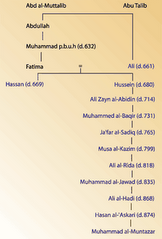
Abdullah, ayah Rasulullah saw meninggal secara misterius. Sebagian ada yang meriwayatkan beliau meninggal pada umur 17 tahun sementara lainnya menyebutkan 25 tahun.
Kazruni dalam bukunya al-Muntaqi menulis:
“Abdullah Mutthalib lahir tepat 24 tahun sejak masa pemerintahan Anushirvan, Raja Kisra. Ketika berumur 17 tahun, beliau menikah dengan Aminah. Ketika Aminah hamil Rasulullah saw, Abdullah meninggal dunia di Madinah. Semua orang menuduh penyebab kematian Abdullah adalah orang-orang Yahudi. Mereka meracuni Abdullah. Karena ketika di Mekkah mereka berkali-kali berusaha membunuh Abdullah namun tidak sempat karena ada kendala. Bagaimana bila Abdullah ke Madinah yang di sana hidup banyak orang Yahudi?
Tentunya, tujuan asli adalah Rasulullah saw, namun ayahnya, Abdullah yang menjadi korban.
Sumber: Allamah Majlisi, Bihar al-Anwar, cetakan baru, jilid 49 dan 15